
Why Local Recommerce Needs Better Trust Infrastructure
Discover how identity, reputation, payment assurance, and accountability can make local recommerce safer, faster, and easier to use.
Why Trust Is Harder in Local Recommerce

Local recommerce looks simple: one person has an unwanted item, another wants to buy it, and both meet nearby. In practice, valuable or bulky goods create more uncertainty than ordinary online purchases. Buyers may wonder whether a refrigerator works, whether a seller is genuine, or whether the listing is still available. Sellers face their own concerns, including no-shows, unsafe meeting arrangements, and payment disputes. Because the exchange often happens in person, there may be little protection once a conversation moves off-platform.
Generic classifieds typically provide discovery, but not the trust infrastructure needed to complete a transaction confidently. A profile name and a few messages do not establish identity, reliability, or accountability. This gap can increase fraud, encourage stale listings, and make honest users hesitate. For local marketplaces to grow, trust and safety must be part of the product experience—not an afterthought. My Bus addresses this need by connecting verified nearby participants and bringing discovery, communication, reservations, payment confirmation, and pickup coordination into one workflow.
The Building Blocks of a Trusted Marketplace

Effective trust and safety combines several signals rather than relying on a single rating or identity check. Verified profiles can use identity, contact, or payment signals to establish that participants are real and reachable. Reputation adds context over time, helping users understand whether someone communicates clearly, keeps appointments, and accurately describes products. Ratings, reports, and visible transaction history can reinforce good behavior while giving the platform information to investigate abuse.
Payment assurance is equally important. A buyer can make an offer, reserve an item, and confirm receipt after inspecting it at pickup, while the platform holds the transaction state and releases funds according to the agreed workflow. This structure reduces pressure to exchange cash informally and creates a clearer record if a dispute occurs. For bulky goods, practical coordination matters too: availability windows, pickup instructions, messaging, and reminders can prevent avoidable failures. The best fraud prevention feels proportional. Users should encounter helpful checkpoints at moments of risk, not a maze of unnecessary friction before they can browse or ask a question.
Accountability Makes Local Commerce More Practical
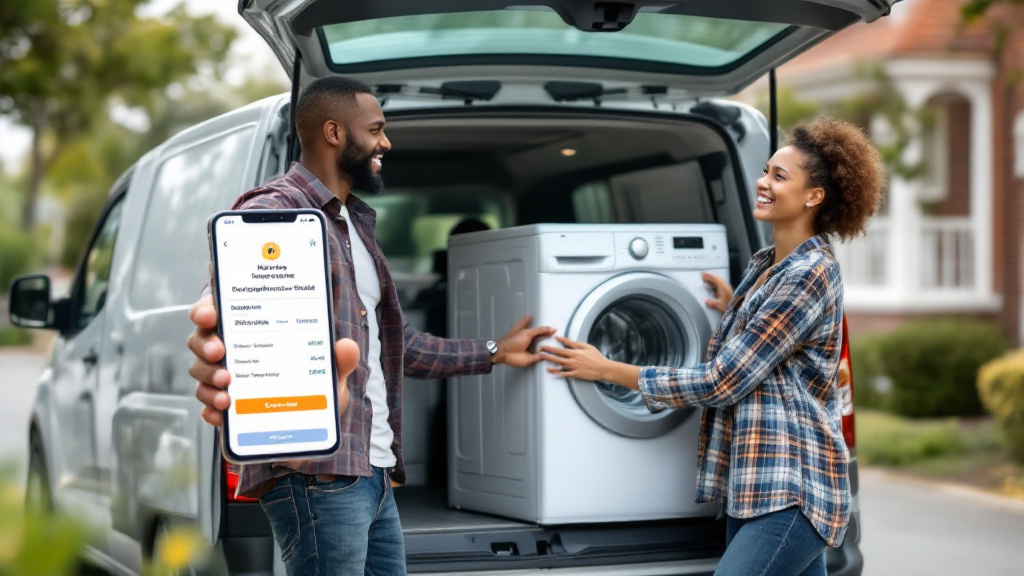
Trust infrastructure does more than prevent bad actors; it makes ordinary transactions easier to complete. When buyers know who they are speaking with, what is reserved, when pickup will happen, and when payment will be released, they can make decisions with less hesitation. Sellers gain confidence that serious buyers will show up, while movers, landlords, repairers, and small businesses can manage multiple local exchanges more efficiently. Better coordination also keeps usable goods in circulation instead of sending them to storage, landfill, or costly shipping networks.
The goal is not to eliminate every risk or make peer-to-peer commerce feel institutional. It is to create clear expectations and shared accountability while preserving the convenience of a nearby exchange. My Bus can support that balance through verified profiles, location-aware discovery, structured messaging, transaction controls, reports, and pickup confirmation. As recommerce expands, marketplaces that treat trust as core infrastructure will be better positioned to earn repeat use. Safer local commerce is ultimately a flywheel: reliable experiences build reputation, reputation encourages participation, and participation gives more households practical access to affordable secondhand goods.